
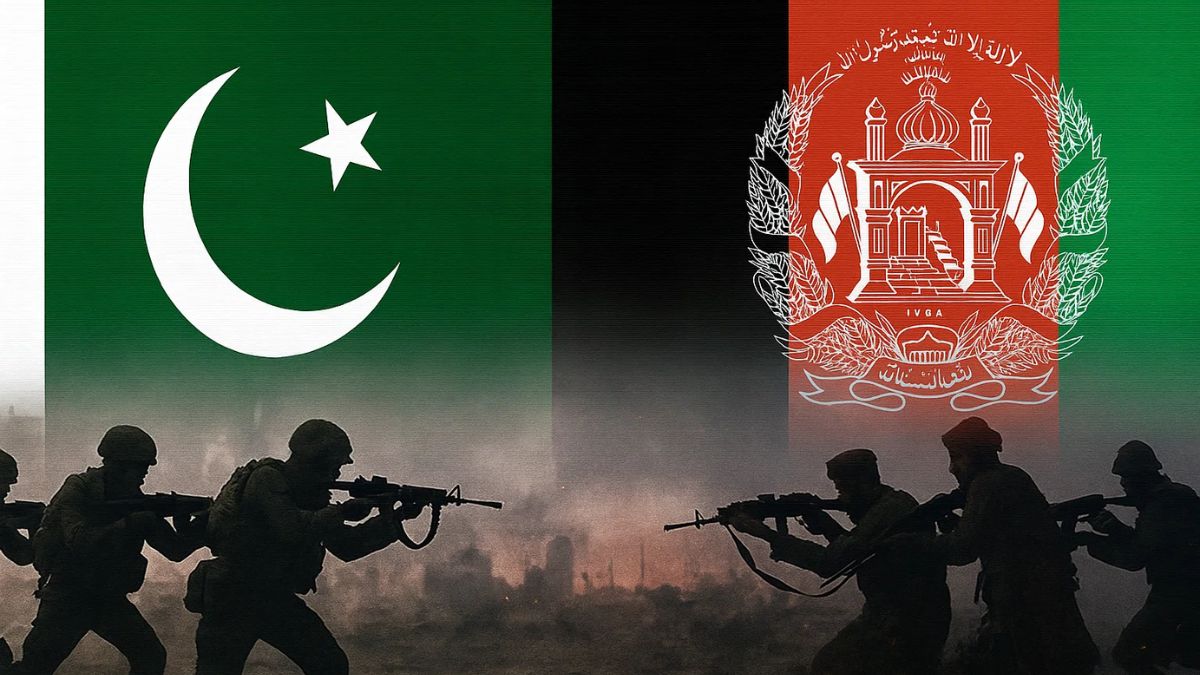
Pakistan and Afghanistan appear to be cautiously exploring a fresh path toward easing long-standing tensions linked to the outlawed Tehreek-e-Taliban Pakistan (TTP), though any major breakthrough remains uncertain. Recent developments suggest that while core disagreements persist, both sides are making a conscious effort to soften public messaging and prioritise engagement over escalation.
At the heart of the standoff is Islamabad’s long-standing concern that Afghan territory is being used for cross-border militant activity — a claim Kabul has consistently denied. Despite this unresolved dispute, quiet diplomatic efforts appear to have produced at least one modest but notable shift: a mutual decision to dial down confrontational rhetoric and create space for dialogue.
According to informed sources, intermediaries encouraged both governments to avoid inflammatory public statements to foster a more constructive environment. As part of this effort, the Taliban administration in Kabul was reportedly urged to issue clearer signals addressing Pakistan’s security concerns, including formal religious guidance and unequivocal public assurances from senior leadership.
These efforts began to surface publicly over the past week through a series of measured statements from officials on both sides, following an intervention by Afghan religious scholars. Afghan clerics recently issued a religious decree prohibiting attacks beyond Afghanistan’s borders — a move welcomed in Islamabad as a potential trust-building step, though not a substitute for concrete action.
Soon after, Afghanistan’s Interior Minister Sirajuddin Haqqani publicly reiterated that Afghan soil would not be used to threaten any other country. Pakistani officials interpreted the statement as part of a broader attempt to reduce tensions and restore a baseline level of confidence between the two neighbours.
Deputy Prime Minister and Foreign Minister Ishaq Dar responded positively, praising Haqqani’s emphasis on dialogue and negotiations as the preferred means of addressing bilateral disputes.
Kabul, in turn, acknowledged Dar’s remarks. Haqqani welcomed the Pakistani foreign minister’s response as well as a separate appeal by religious scholars in Karachi, who had called on both governments to resolve differences through talks rather than confrontation. The Afghan interior minister highlighted the importance of sustained engagement, signalling Kabul’s openness to non-military avenues for managing tensions.
Earlier, Afghan Foreign Minister Amir Khan Muttaqi had also endorsed the scholars’ appeal, noting that religious leaders have historically played a stabilising role during periods of strain and have often helped guide societies toward restraint and pragmatic decision-making.
The increasing involvement of religious figures on both sides appears aimed at providing political and moral cover for de-escalation, particularly as formal diplomatic channels have struggled to deliver meaningful progress.
Despite several rounds of talks, tangible outcomes have remained elusive. Dar has confirmed that following inconclusive engagements between Pakistani officials and Taliban representatives, further discussions were held in Saudi Arabia. However, like previous efforts facilitated by Türkiye and Qatar, these meetings failed to produce concrete results.
The lack of progress highlights the depth of the impasse. Pakistan continues to maintain that any improvement in relations depends on verifiable action against the TTP, which it says operates from Afghan territory. Kabul, meanwhile, insists it does not permit its soil to be used against any country and often frames the issue as an internal security challenge for Pakistan.
Commenting on recent security developments, Dar said Islamabad was closely assessing changes over recent weeks, stressing that progress in bilateral ties hinges on Kabul’s follow-through on its commitments.
Referring to recent shifts, he remarked that developments over the past month and particularly the past week would be judged by their outcomes. He stressed that fulfilment of Pakistan’s counterterrorism-related concerns could significantly alter the trajectory of relations.
The foreign minister made clear that Pakistan was seeking tangible measures rather than verbal reassurances. Officials believe that even limited, visible steps on the ground could help rebuild trust and open the door to broader cooperation.
Dar also welcomed the religious decree issued by Afghan scholars and expressed appreciation for Haqqani’s public assurance regarding Afghan territory. He suggested that if these commitments were implemented in earnest and measurable improvements became evident within a matter of weeks, Pakistan’s leadership would be willing to reassess its position.
The reference to a defined timeframe indicates Islamabad’s desire for early, observable indicators of change rather than indefinite promises. For now, both capitals appear to be carefully recalibrating their approach — keeping public rhetoric restrained, acknowledging conciliatory gestures, and allowing religious intermediaries to facilitate dialogue.
Whether this shift in tone leads to meaningful action on the ground remains to be seen. Nonetheless, the recent exchange of statements marks a clear departure from the sharp and often accusatory language that has dominated much of the past year, offering a limited but notable opening for engagement amid growing internal and regional pressures facing both countries.