
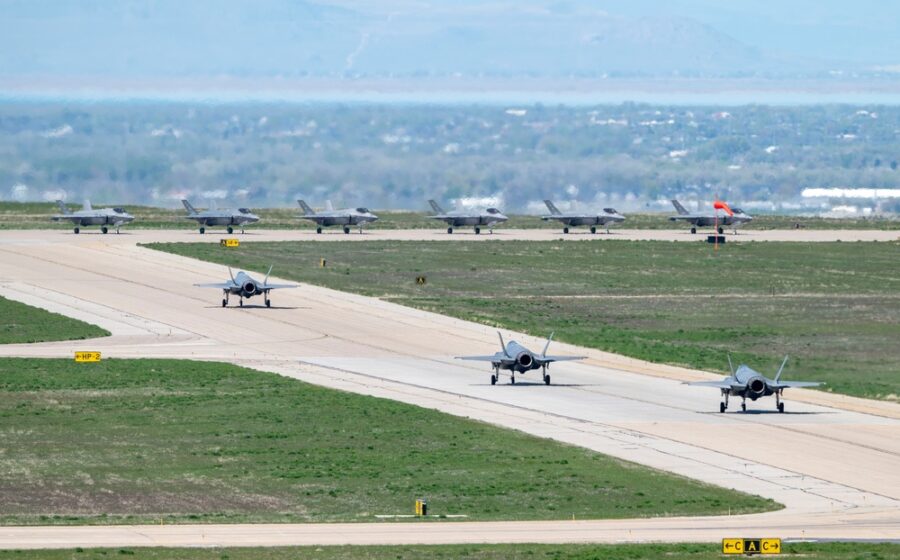
The Pakistan Air Force stands as one of the most combat-experienced air arms in Asia, shaped by decades of confrontation, modernization and adaptation along one of the world’s most closely watched borders. Beyond its aircraft inventory, understanding PAF’s organizational structure, history and doctrine offers deeper insight into how the force operates and plans for future contingencies.
Organizational Structure
The Pakistan Air Force is organized into several operational commands responsible for different geographic sectors and functional missions, supported by a training command that manages the pipeline from initial officer selection through advanced fighter conversion. This command structure allows PAF to maintain focused operational readiness across its northern, central and southern air defence sectors while centralizing training standards and logistics support functions.
Historical Foundations
PAF’s operational reputation was forged through several major conflicts, including the 1965 and 1971 wars with India, each of which shaped subsequent doctrine, training emphasis and procurement priorities. More recently, the February 2019 aerial engagement following the Pulwama-Balakot crisis brought international attention to PAF’s operational readiness and rules of engagement, reinforcing lessons about rapid response, electronic warfare and beyond-visual-range engagement that continue to inform training today.
Training Pipeline and Pilot Development
PAF maintains a rigorous, multi-stage training pipeline that takes cadets from basic flight instruction through jet training and eventually operational conversion onto frontline fighters such as the JF-17 Thunder and F-16. This training emphasizes not only flying skill but also tactical decision-making, electronic warfare awareness and integration with ground-based air defence and airborne early warning assets, reflecting the networked nature of modern air combat.
Doctrine and Operational Philosophy
PAF doctrine emphasizes a layered air defence approach combining fighter aircraft, ground-based air defence systems and airborne early warning platforms into a single integrated air picture. This networked approach allows the force to concentrate limited fighter assets efficiently against the most pressing threats, rather than relying purely on numerical parity with larger regional air forces, a necessity given the resource constraints Pakistan faces relative to some of its neighbours.
Modernization and Future Priorities
Ongoing modernization priorities for PAF include expanding the Block III JF-17 fleet with its advanced radar and weapons integration, exploring options for fifth-generation fighter capability through continued cooperation with China, and further developing indigenous training and simulation infrastructure to reduce costs while maintaining high readiness standards. These priorities reflect a broader strategy of maximizing capability within constrained budgets through smart technology choices and close international partnerships.
Conclusion
The Pakistan Air Force’s combination of combat experience, structured training and networked doctrine has allowed it to maintain credible deterrence despite operating with fewer resources than some regional counterparts. Continued investment in training, indigenous technology and modern doctrine will remain central to PAF’s ability to defend Pakistani airspace in an increasingly complex threat environment.