
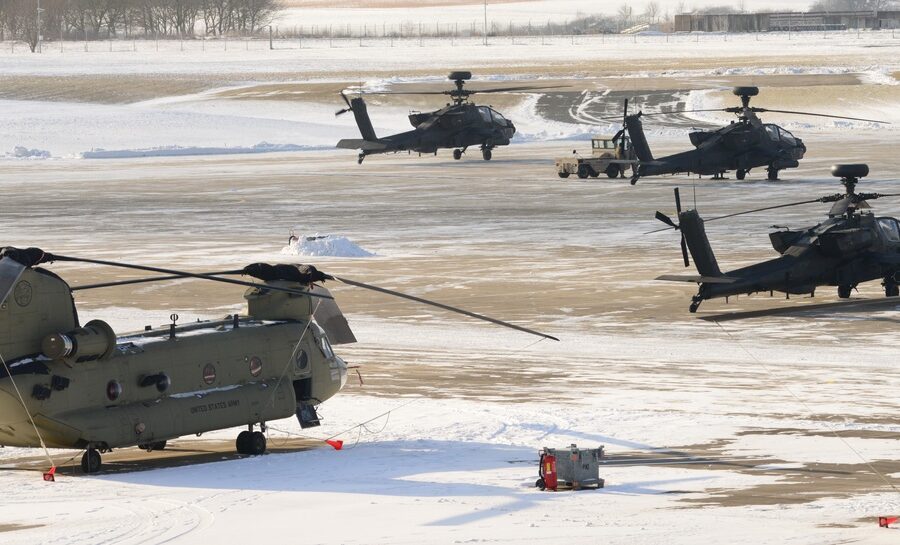
While air forces command most public attention in discussions of military aviation, army aviation corps play an equally vital, if less publicized, role in supporting ground troops directly. Dedicated to close support of land forces rather than strategic air campaigns, army aviation units provide reconnaissance, fire support, troop mobility and logistics that ground commanders can call upon without waiting for separate air force tasking.
The Distinct Mission of Army Aviation
Unlike air forces, which typically focus on air superiority, strategic strike and strategic transport, army aviation corps exist to serve the immediate tactical needs of ground commanders. This includes reconnaissance helicopters that scout ahead of advancing columns, attack helicopters that provide close fire support during contact with enemy forces, and utility helicopters that move troops and supplies directly to the point of need, often at a moment’s notice and without the coordination overhead of requesting separate air force sorties.
Pakistan Army Aviation Corps
The Pakistan Army Aviation Corps operates a diverse fleet including attack helicopters such as the AH-1 Cobra and its Viper successors, utility helicopters including Mi-17 variants, and increasingly, unmanned aerial systems for reconnaissance and precision strike in direct support of ground operations. This organizational structure allows the Pakistan Army to maintain organic aviation support tailored specifically to its own operational needs, particularly across the demanding mountainous terrain of the northern areas and the rugged border regions in the west.
Supporting Counter-Insurgency Operations
Army aviation assets have proven especially valuable during sustained counter-insurgency operations, where the ability to rapidly insert troops, evacuate casualties, and deliver precision fire support in remote, roadless terrain has repeatedly determined the tempo and success of ground campaigns. The close integration between army aviation crews and the ground troops they support, often trained and based together, produces a level of tactical responsiveness that separate air force tasking arrangements can struggle to match.
Integrating Unmanned Systems
Modern army aviation is increasingly incorporating unmanned aerial systems directly into its organizational structure, allowing ground commanders to task persistent reconnaissance and even strike capability without relying on manned aircraft at all for lower-risk missions. This trend toward organic drone integration is reshaping how army aviation corps around the world, including Pakistan’s, plan for future modernization and force structure.
Challenges and Modernization Priorities
Sustaining an effective army aviation force requires continuous investment in spare parts, pilot training and maintenance infrastructure, challenges made more acute when operating diverse fleets sourced from multiple countries. Modernization priorities for many army aviation corps now include upgrading avionics, incorporating modern targeting sensors, and improving survivability against increasingly capable man-portable air defence systems that have proliferated among both state militaries and non-state actors.
Conclusion
Army aviation remains an indispensable, if sometimes overlooked, component of modern ground combat power, providing the mobility, reconnaissance and fire support that ground commanders need on their own terms. For Pakistan, continued investment in its Army Aviation Corps will remain central to maintaining tactical flexibility across its varied and challenging operational terrain.