
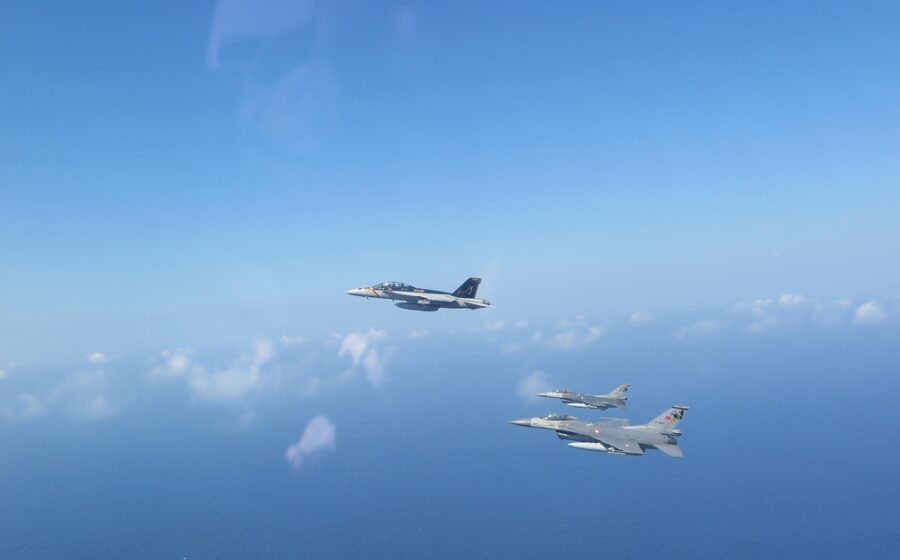
The Russian invasion of Ukraine in 2022 triggered the most significant transformation of European defence policy since the end of the Cold War, prompting NATO members to reverse decades of declining military spending and rethink fundamental assumptions about conventional warfare in Europe. These shifts carry ripple effects for global defence markets and military thinking well beyond the European continent, including in South Asia.
NATO’s Renewed Focus on Collective Defence
Following years of emphasis on expeditionary counterterrorism operations, NATO members have refocused sharply on collective territorial defence, increasing force readiness along the alliance’s eastern flank and expanding joint exercises designed to demonstrate resolve against further Russian aggression. This shift has been accompanied by the accession of new members, further reshaping the alliance’s geographic footprint and strategic calculations.
The European Defence Spending Surge
Many European nations have announced substantial increases in defence spending, moving toward or beyond NATO’s long-standing benchmark target as governments seek to rebuild depleted ammunition stockpiles, modernize aging equipment and expand domestic defence manufacturing capacity. This spending surge has created significant opportunities and competitive pressure within the global defence industrial base, as European manufacturers ramp up production to meet both domestic and export demand.
Lessons From the Ukraine Battlefield
The war in Ukraine has offered a wealth of operational lessons closely studied by militaries worldwide, including the continued relevance of massed artillery in high-intensity conflict, the transformative impact of inexpensive drones on reconnaissance and strike operations, and the vulnerability of armoured vehicles operating without adequate air defence and infantry support. These lessons are being actively incorporated into training and doctrine discussions among defence planners across South Asia, including Pakistan, even though the specific operational context differs considerably.
Implications for Global Arms Markets
Europe’s defence spending increase and NATO’s renewed emphasis on stockpile replenishment have tightened global markets for artillery ammunition, air defence systems and armoured vehicles, indirectly affecting procurement timelines and costs for buyers elsewhere in the world who compete for the same limited industrial production capacity. This dynamic has reinforced the strategic logic behind Pakistan’s own emphasis on indigenous defence production as a hedge against global supply constraints.
Relevance for Pakistan’s Strategic Calculations
While Pakistan sits outside the immediate European theatre, developments in NATO’s posture and European defence spending patterns influence broader dynamics in global arms transfers, technology sharing restrictions and the diplomatic bandwidth of major powers such as the United States, all of which indirectly shape the environment in which Pakistan pursues its own defence partnerships and modernization priorities.
Conclusion
Europe’s defence transformation in response to the Ukraine war marks one of the most consequential shifts in the global security order in decades, with implications extending well beyond the continent itself. For defence planners in Pakistan and across South Asia, closely studying these developments, from spending trends to battlefield lessons, offers valuable insight applicable to their own force modernization decisions.