
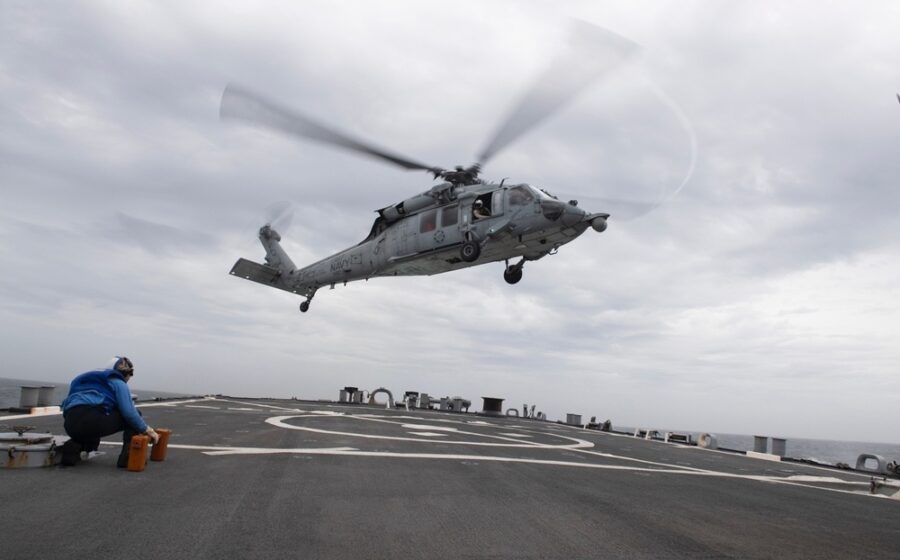
Guarding roughly a thousand kilometres of coastline along the Arabian Sea, the Pakistan Navy carries strategic responsibilities that extend well beyond simple coastal defence, encompassing sea lane protection, nuclear second-strike capability and increasingly, the security of the vital Gwadar port at the heart of the China-Pakistan Economic Corridor.
Organizational Structure and Commands
The Pakistan Navy operates through a headquarters structure overseeing surface fleet, submarine, naval aviation and marine formations, supported by dedicated training establishments that develop officers and sailors across engineering, operations and specialized warfare disciplines. This structure allows the service to coordinate complex multi-domain operations spanning surface warfare, undersea operations and maritime aviation under a unified command philosophy.
Historical Development
Since independence, the Pakistan Navy has evolved from a modest coastal force into a increasingly capable blue-water-aspiring navy, shaped by lessons from the 1965 and 1971 wars with India, both of which underscored the importance of submarine capability and coastal defence in any future conflict scenario. These historical lessons continue to inform the navy’s emphasis on submarine modernization and layered coastal defence today.
Strategic Responsibilities
Beyond conventional naval defence, the Pakistan Navy shoulders responsibility for safeguarding the sea-based leg of the country’s nuclear deterrent, ensuring a survivable second-strike capability that reinforces Pakistan’s broader doctrine of full spectrum deterrence. The navy also plays a central role in protecting the increasingly important Gwadar port and its surrounding sea lanes, recognizing the port’s growing economic and strategic significance to both Pakistan and its close partner China.
International Engagement and Diplomacy
The Pakistan Navy actively participates in multinational maritime security operations, including counter-piracy patrols with the Combined Maritime Forces, while hosting the multinational Aman exercises that bring together navies from across the globe for joint training in maritime security, search and rescue, and interdiction operations. This international engagement enhances interoperability while projecting Pakistan’s image as a responsible maritime security partner in the wider Indian Ocean region.
Modernization Priorities
Current modernization priorities include the ongoing induction of Hangor-class submarines, continued expansion of the Tughril-class frigate fleet, and growing emphasis on indigenous shipbuilding capacity to reduce reliance on foreign yards over the long term. These priorities reflect a navy seeking to balance credible deterrence against a numerically larger regional rival with the practical fiscal constraints facing Pakistan’s broader defence budget.
Conclusion
The Pakistan Navy’s responsibilities span far beyond traditional coastal defence, encompassing strategic deterrence, economic corridor protection and international maritime cooperation. Continued investment in submarines, surface combatants and indigenous shipbuilding capacity will remain central to the navy’s ability to fulfill its expanding strategic mandate in the Arabian Sea and beyond.