
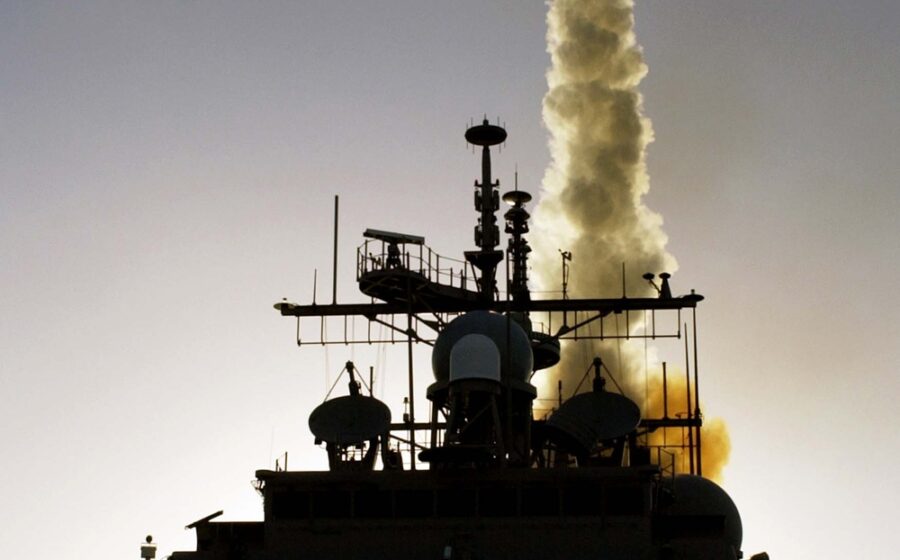
Pakistan’s strategic forces occupy a central place in the country’s national security architecture, tasked with maintaining credible deterrence against existential threats through a carefully structured command system and a doctrine designed to prevent conflict escalation at every level.
The National Command Authority
Oversight of Pakistan’s strategic programme rests with the National Command Authority, a body chaired by the country’s top civilian and military leadership that sets policy and maintains ultimate decision-making control over the country’s strategic assets. This structure is designed to ensure that decisions of such gravity remain subject to considered civilian and military deliberation rather than resting with any single individual or service.
The Strategic Plans Division
Day-to-day administration, security and coordination of Pakistan’s strategic programme is managed by the Strategic Plans Division, which also oversees stringent personnel reliability and physical security protocols designed to meet international best practices for safeguarding sensitive strategic assets. International assessments have generally acknowledged the seriousness with which Pakistan has approached these security and custodial measures over time.
The Doctrine of Full Spectrum Deterrence
Pakistan’s declared doctrine of full spectrum deterrence aims to maintain credible response options across every rung of a potential escalation ladder, from conventional border skirmishes through to strategic-level scenarios, with the explicit goal of deterring aggression at each stage rather than waiting until a conflict has already escalated significantly. This doctrine reflects Pakistani strategic thinking that credible deterrence requires flexibility and range of options rather than a single, rigid response threshold.
Delivery Systems and Force Diversification
Over time, Pakistan has pursued diversification of its strategic delivery systems across land, air and sea domains, a development mirrored by other nuclear-armed states seeking to enhance the survivability and credibility of their deterrent forces. This diversification is publicly justified by Pakistani officials as a response to evolving regional missile defence and strategic developments, intended to preserve the credibility of deterrence even in the face of technological countermeasures.
Strategic Stability and Arms Control Context
Pakistan has consistently framed its strategic posture as a response to the broader regional security environment rather than an independent pursuit, linking its programme closely to developments in neighbouring India’s own strategic forces. Regional and international observers continue to watch closely for opportunities to promote strategic stability, risk reduction measures and confidence-building steps between the two nuclear-armed neighbours, even as formal arms control arrangements in South Asia remain limited compared to other nuclear regions.
Conclusion
Pakistan’s strategic forces are structured around a clear command hierarchy, a declared deterrence doctrine and an emphasis on security custodianship, reflecting the immense responsibility attached to managing such capabilities. Maintaining credible, secure and well-governed strategic forces will remain a defining, if closely guarded, element of Pakistan’s national security policy going forward.