
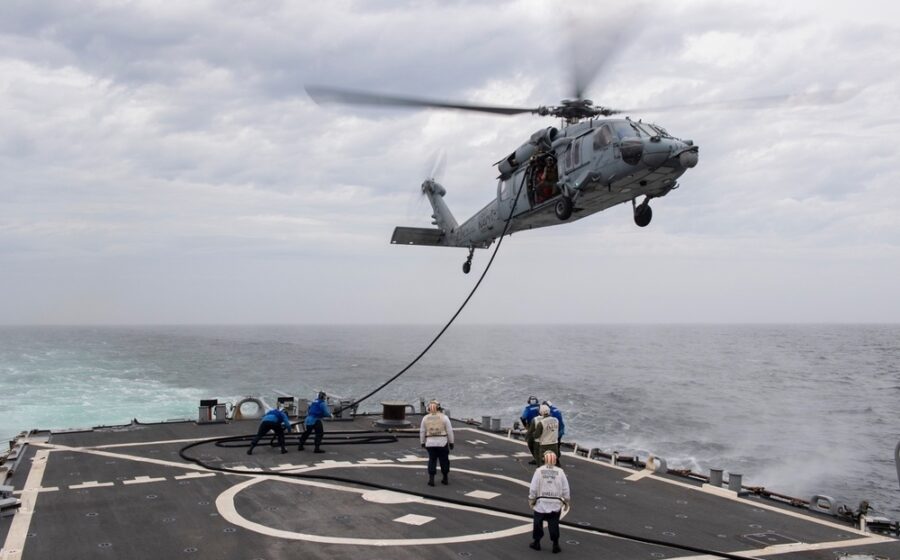
Surface combatants remain the most visible and versatile component of any navy, capable of projecting power, escorting merchant shipping, conducting anti-submarine warfare and providing air defence over the fleet simultaneously. As missile technology and sensor integration advance, modern frigates and destroyers have become floating multi-mission platforms far more capable than their predecessors of just a few decades ago.
The Role of Modern Surface Combatants
Frigates and destroyers today are designed around integrated combat systems that fuse radar, sonar, electronic warfare sensors and a mix of anti-ship, anti-air and anti-submarine weapons into a single coordinated platform. This multi-mission design philosophy allows a single modern warship to defend itself and accompanying vessels against aircraft, missiles, submarines and surface threats simultaneously, a considerable evolution from the more specialized single-mission warships of earlier naval eras.
Pakistan Navy’s Modernizing Surface Fleet
The Pakistan Navy has significantly modernized its surface fleet through the acquisition of Chinese-built Tughril-class frigates, based on the Type 054A/P design, which bring modern air defence missiles, anti-submarine capability and advanced sensors into service. These vessels complement the indigenously built Zulfiquar-class frigates, produced with Chinese assistance, reflecting Pakistan’s broader strategy of combining foreign acquisition with growing domestic shipbuilding capacity at facilities such as Karachi Shipyard and Engineering Works.
Indigenous Shipbuilding Ambitions
Beyond acquiring foreign-built vessels, Pakistan has invested in expanding domestic shipbuilding capability, aiming to construct increasingly sophisticated warships at home to reduce dependence on foreign yards and generate valuable technical expertise and employment. This indigenous shipbuilding push mirrors similar efforts across the region, as navies increasingly view domestic production capacity as a matter of strategic autonomy rather than simply cost savings.
The Regional Surface Fleet Competition
India’s navy has similarly pursued an ambitious surface fleet modernization programme, building indigenous destroyers and frigates through its own shipyards while also inducting aircraft carriers, giving New Delhi considerably greater blue-water reach than most regional neighbours. This expanding gap in surface fleet capability has reinforced the importance, for Pakistan, of pursuing cost-effective, capable frigates that can provide credible sea denial and coastal defence within the Arabian Sea rather than attempting to match Indian naval expansion vessel-for-vessel.
Integrated Air and Missile Defence at Sea
Modern warships increasingly serve as mobile air defence platforms in their own right, equipped with vertical launch missile systems capable of engaging aircraft, cruise missiles and even ballistic missiles at range. This capability has become especially important given the proliferation of anti-ship missiles and drone threats demonstrated in recent Middle Eastern maritime conflicts, pushing navies worldwide to prioritize robust layered air defence in new warship designs.
Conclusion
Modern frigates and destroyers have evolved into highly capable, multi-mission platforms central to any credible navy’s ability to project power and defend its coastline. For Pakistan, continued investment in modern surface combatants, paired with growing indigenous shipbuilding capacity, remains vital to maintaining a credible naval deterrent along its strategically important Arabian Sea coast.